

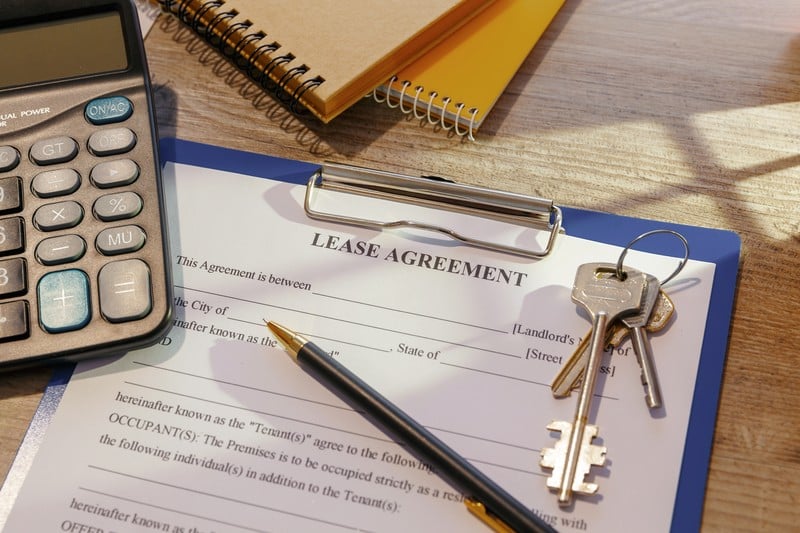
Quick Summary
A pre leasing agreement documents preliminary commitments and the parties’ intent before the property is available or the final lease is signed. It covers details about the property, rent, deposits, conditions, deadlines, and rights to withdraw. Both parties need clear language explaining which terms are binding and what happens if the transaction does not proceed.
A pre-leasing agreement records the parties’ intention to enter a future lease before the property becomes available or the final document is ready. It may help a landlord secure an occupant while also helping a tenant reserve a desired space. The agreement should set out the commitments, conditions, payments, and next steps for each party in clear, concise language.
What a Pre-Leasing Agreement Does
A pre leasing agreement creates a framework for a planned tenancy. Parties may use it during construction, renovation, an existing tenant’s departure, or final lease negotiations. It can identify the premises and reserve them while stated conditions are completed.
This preliminary document is not always the final lease, and its legal effect depends on the wording and applicable law. Database management can keep the preliminary agreement, revisions, and final lease organized in one controlled record. Both sides should obtain legal advice before signing or transferring money.
How It Differs from a Final Lease
A preliminary agreement often records core commercial terms while the parties continue drafting the complete lease. It may leave detailed rules on repairs, assignment, insurance, defaults, and operating expenses for later negotiation. The document should identify binding terms and items that remain subject to approval.
The parties should not assume that a shorter document carries less risk. Language that defines exclusivity, deposits, access, or withdrawal may create immediate obligations. Well-phrased language also helps both parties understand when those duties begin and end.
Key Terms to Include
The document should identify the landlord, tenant, property, intended use, expected lease term, and proposed commencement date. It should also address rent, deposit amounts, payment timing, and the deadline for signing the formal lease. Clear terms reduce the risk that each party leaves with a different understanding.
Other terms may cover fit-out work, access, insurance, utilities, maintenance, and required approvals. Attach plans or specifications when the condition of the future space matters. The parties should state which details remain open for negotiation.
Conditions Before the Lease Begins
A property may need construction completion, permits, financing, inspections, or possession from a current tenant. The agreement should list each condition and the party responsible for satisfying it. It should also set a target date and describe the result of delay or failure.
Avoid promising a date that depends on uncertain work without a contingency. A practical extension process can prevent confusion. The tenant should understand when the obligation to pay rent actually begins.
Deposits and Reservation Payments
Some arrangements require a deposit to hold the property. The document should state the amount, who holds it, when it becomes refundable, and when it may be applied to rent or another obligation. It should also explain what happens if either party does not proceed.
Payment language should match local law and the final transaction structure. Both parties need receipts and written records. No one should assume that a reservation payment creates rights beyond those written in the agreement.
Landlord Considerations
Landlords should confirm that the proposed tenant, use, and financial terms fit the property strategy. They should avoid reserving the same space for several parties unless the arrangement clearly permits it. Construction and delivery obligations also need realistic dates and specifications.
A landlord may request financial information, guarantees, insurance evidence, or business approvals. These requirements should appear as conditions rather than informal expectations. Clear remedies can address a tenant’s failure to complete the final lease.
Tenant Considerations
Tenants should inspect the proposed space, plans, access, and delivery condition. They should understand permitted use, signage, parking, services, and any work they must complete. A future address has little value if the property cannot meet operational needs.
The tenant should also examine delay rights and refund terms. If the premises are not ready, the business may face moving, staffing, or inventory costs. The agreement should state when the tenant may extend, renegotiate, or withdraw.
Moving from Preliminary Terms to a Final Lease
The parties should assign responsibility for drafting and approving the final lease. A schedule can set negotiation milestones, document deadlines, and a signing date. Unresolved issues should remain visible rather than buried in general language.
Once signed, the final lease may replace the preliminary agreement. The documents should state how that transition works and which obligations survive. Teams should retain both records when they explain payments, dates, or approvals.
Managing the Agreement After Signing
Important dates and conditions need active tracking. At Scribcor Global, we offer lease administration services that organize documents, monitor obligations, and maintain reliable portfolio data. Contact us to discuss a process for managing agreements from early commitments through the active lease term.
FAQs
Is a pre-leasing agreement legally binding?
Its legal effect depends on the wording and applicable law. Some provisions may create immediate obligations, while other terms remain subject to final approval. Both parties should seek legal advice before signing or paying a deposit.
What should a pre leasing agreement include?
It should identify the parties, property, proposed rent, expected lease term, commencement date, deposit, and permitted use. It may also address construction, inspections, access, insurance, fit-out work, and required approvals. The document should identify unresolved matters clearly.
Can a tenant recover a reservation deposit?
Refund rights depend on the agreement and local law. The document should state who holds the payment, when it becomes refundable, and what happens if either party withdraws. Tenants should obtain a receipt and retain all payment records.
What happens if the property is not ready on time?
The agreement should describe extension rights, notice procedures, refund terms, and withdrawal options. It may also set an outside delivery date. Clear delay provisions help both parties plan around construction or renovation uncertainty.